

Oct 12, 2026
Growth spurts bring important changes to children's teeth and jaws. Regular dental monitoring helps identify eruption…
(720) 638-6114
Mon & Fri: 8-2; Tue-Thurs: 9-5


Healthy Smiles
from First Tooth to Braces.
A child’s jaw is constantly changing, and those changes influence everything from how teeth erupt to how the airway develops and how comfortably a child can chew and speak. That’s why monitoring jaw growth is one of the most important parts of pediatric dentistry. Pediatric dentists don’t just treat cavities—they evaluate how the jaws, teeth, and facial muscles work together over time. Whether families are searching for pediatric dentistry in Stonegate or looking up a Parker dentist for pediatric near me, the goal is the same: early identification of growth patterns that could lead to crowding, bite issues, or discomfort later. Many practices collaborate closely with an orthodontist in Parker to ensure that any growth concerns are addressed at the right moment, when treatment can be simpler and more effective.
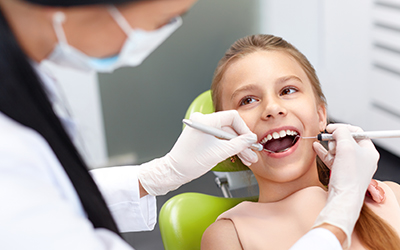
Jaw growth monitoring starts with routine dental appointments. Pediatric dentists evaluate facial symmetry, tooth eruption timing, bite alignment, and the relationship between the upper and lower jaws. During a standard children’s dental checkup, they look for early signs that the jaw is developing too narrowly, too far forward, or too far back. They also assess functional habits like thumb-sucking, tongue thrusting, and mouth breathing, because these can shape the palate and bite over time. This is especially valuable for families who choose a long-term dental home through pediatric dentistry in Stonegate, because consistent records make subtle changes easier to detect.
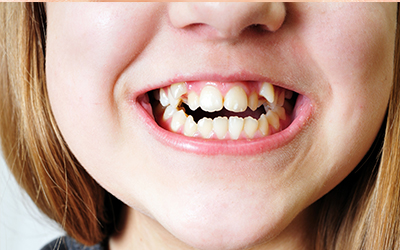
One of the most revealing parts of a pediatric exam is the bite evaluation. When the jaws don’t align properly, the issue may appear as an overbite, underbite, open bite, or crossbite. These conditions often reflect skeletal growth trends, not just tooth position. Pediatric dentists frequently use orthodontic evaluation guidelines to determine if a developing bite is likely to self-correct or worsen. If the bite is shifting in a concerning direction, they may recommend an early consultation with an orthodontist in Parker, especially if a child has difficulty chewing, frequent jaw clicking, or speech issues tied to jaw structure.
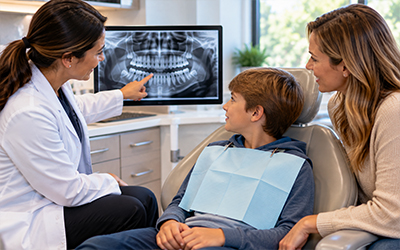
When needed, pediatric dentists may take diagnostic images to better understand jaw development. Modern dental imaging, including digital dental X-rays, can reveal how permanent teeth are forming beneath the gums and whether the jaws provide enough space for eruption. Dentists may also use panoramic or cephalometric images (often in collaboration with orthodontic partners) to evaluate jaw length, growth direction, and airway space. These tools help ensure that recommendations are based on measurable changes rather than guesswork. Families searching for a Parker dentist for pediatric near me often appreciate knowing that growth monitoring can be proactive and data-informed, especially during the key ages when the jaw is rapidly developing.
Not every child needs orthodontics early, but certain growth patterns benefit from early intervention, also called interceptive orthodontics. This approach aims to guide jaw growth, reduce crowding, and improve bite alignment before all permanent teeth arrive. Pediatric dentists may refer children for early orthodontic treatment when timing is ideal—often between ages 6 and 10—because the jaw bones are still flexible and responsive. In many cases, partnering with an orthodontist in Parker allows children to avoid more invasive treatments later.
Monitoring healthy jaw growth is not a one-time screening—it’s a timeline-based approach that evolves as your child grows. Pediatric dentists track changes, compare past measurements, and adjust recommendations as new teeth erupt and facial development progresses. Choosing a consistent provider—whether you start with pediatric dentistry in Stonegate or find a trusted Parker dentist for pediatric near me—helps your child benefit from detailed records and continuity of care. When jaw development suggests orthodontic involvement, collaboration with an orthodontist in Parker can ensure treatment starts at the right time, maximizing comfort and long-term results.
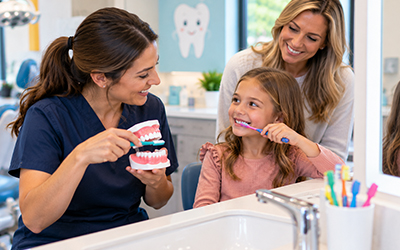
Parents can reinforce healthy development between visits by encouraging habits that support natural jaw growth. Good nutrition, healthy breathing patterns, and early attention to oral habits all matter. Regular brushing and flossing protect teeth, but good daily behaviors also protect the structures that hold those teeth in place—especially the jaws. If you notice changes in your child’s bite, frequent grinding, mouth breathing, or difficulty chewing, bring it up during your next visit. Pediatric dental teams trained in children’s oral health are equipped to identify jaw growth concerns early and provide guidance before small issues become big ones.
Blog Articles
We care about creating great smiles for kids, and teens. Follow us on our blog to review trending topic and resources in the dental industry and related healthcare.
Hours:
Monday & Friday: 8:00 AM - 2:00 PM | Tues, Wed, Thurs: 9:00 AM - 5:00PM | Closed: Select Mondays and Fridays


Nothing contained on or offered by or through this website should be construed as medical advice and should not be relied upon for medical diagnosis or treatment. By accessing this website you understand and agree to communication by phone, voicemail, email or text.
Cookie Preferences | Cookie Consent | Privacy Policy