Oct 12, 2026
Growth spurts bring important changes to children's teeth and jaws. Regular dental monitoring helps identify eruption…
(720) 638-6114
Mon & Fri: 8-2; Tue-Thurs: 9-5


A protective layer
over the tooth
Dental sealants are a preventive treatment that can help protect cavity-prone areas of a child's teeth. At Little Rockies Kids Dental, we provide dental sealants for children and teens in Parker, CO when they are appropriate for a patient's individual cavity risk and dental development.
The chewing surfaces of molars contain natural pits and grooves where food particles and dental plaque can collect. These areas can be difficult to clean thoroughly with a toothbrush, particularly when the grooves are deep or narrow.
A dental sealant is a thin protective material placed over these pits and grooves. Once bonded to the tooth, the sealant creates a smoother barrier over the chewing surface that can help reduce the risk of tooth decay in these vulnerable areas.
Sealants are only one part of cavity prevention. Regular dental examinations and cleanings, fluoride, daily brushing and flossing, and healthy eating habits all remain important for protecting your child's smile.
Extra Protection for Cavity-Prone Back Teeth
Dental sealants can help protect the deep pits and grooves of molars where plaque and food can be difficult to remove with brushing alone.
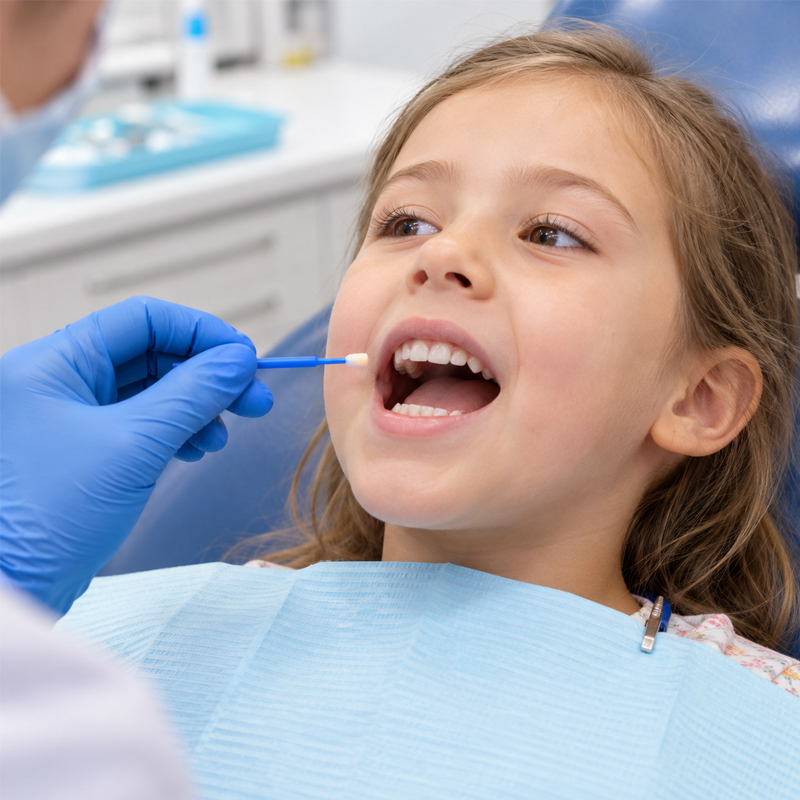
Dental sealants are thin protective coatings placed over the pits and fissures of certain teeth, most commonly the chewing surfaces of back teeth.
Molars naturally have grooves that help with chewing. In some children, these grooves are deep enough that toothbrush bristles may not easily reach every surface. Plaque and food can remain in these areas and increase the risk of developing tooth decay.
Sealant material flows into these grooves and bonds to the tooth, creating a protective barrier between the enamel and the bacteria, food particles, and acids involved in the cavity process.
Dental sealants are most commonly considered for molars and other teeth with pits and grooves that may be at increased risk for cavities.
Permanent first molars often begin erupting around age six, while second permanent molars commonly appear later during the preteen or early teenage years. Because every child's dental development is different, the decision to place sealants should be based on the individual tooth rather than age alone.
Depending on a child's cavity risk and the anatomy of the teeth, sealants may also be considered for selected primary or permanent teeth.
During your child's dental examination, our team can evaluate the chewing surfaces of the teeth and determine whether sealants may provide useful additional protection.
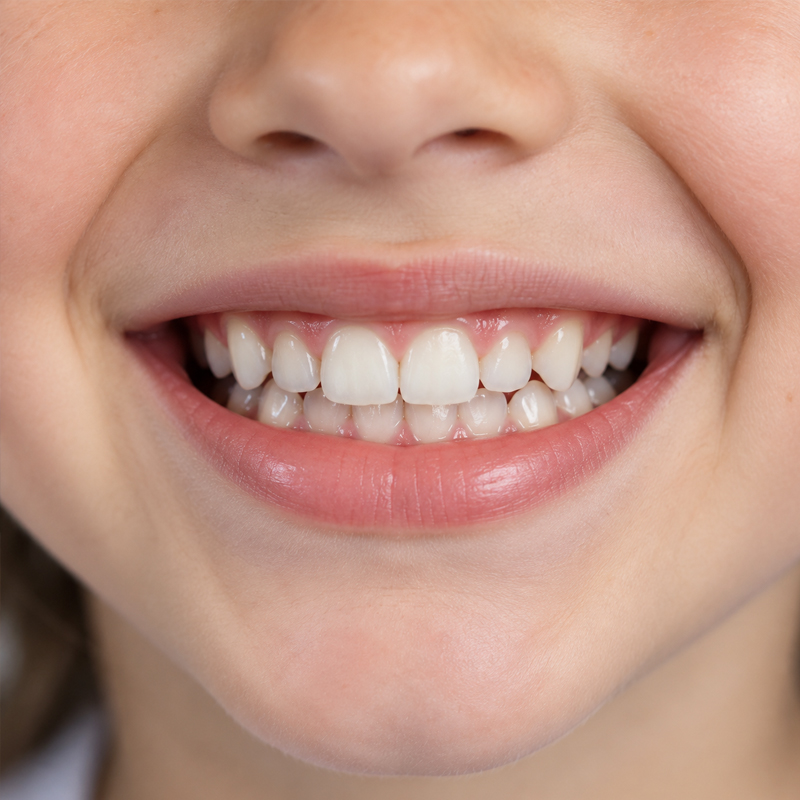

Not every child needs sealants on every tooth. Our pediatric dental team considers the individual patient's cavity risk, dental history, tooth anatomy, and stage of development when making preventive recommendations.
Sealants may be particularly helpful for children who have:
A dental examination allows us to determine which teeth, if any, may benefit from sealant placement.
Placing a dental sealant is generally a straightforward procedure and does not require removing healthy tooth structure.
The process typically includes:
Your child can then leave the office with an additional protective barrier over the treated chewing surface.
Dental sealant placement is generally noninvasive. The sealant is applied to the outside surface of the tooth and usually does not require drilling or removing healthy tooth structure.
Children mainly need to keep the tooth still and dry while the material is being placed and hardened.
If your child is nervous about dental care, our team can explain each step in an age-appropriate way and help them understand what to expect before treatment begins.
Can Dental Sealants Be Used on Early Tooth Decay?
Sealants are primarily associated with cavity prevention, but they may also play a role in managing certain very early areas of tooth decay.
Evidence-based guidelines from the American Dental Association and American Academy of Pediatric Dentistry support the use of sealants on appropriate noncavitated pit-and-fissure caries lesions. Sealing these areas can help limit progression when the tooth and lesion are suitable for this type of treatment.
Once tooth structure has broken down and a true cavity has formed, another treatment may be necessary. Our dental team can evaluate the tooth and determine whether a sealant, monitoring, preventive treatment, or restorative care is appropriate.
Dental sealants can remain protective for years, but they are not permanent and can gradually wear or chip over time.
During routine dental examinations, our team can check previously sealed teeth to make sure the material is still adequately covering the pits and grooves.
If part of a sealant has worn away, additional sealant material may sometimes be recommended to restore protection to the tooth.
Cavity prevention changes as children grow. Younger children may need help developing effective brushing habits, while school-age children are beginning to develop permanent molars that must last throughout adulthood.
Teenagers may have most or all of their permanent teeth and may face new cavity-risk factors related to diet, snacking, sports schedules, orthodontic appliances, and increasing independence with oral hygiene.
By evaluating each stage of dental development, our pediatric dental team can recommend preventive care based on your child's changing needs rather than using the same approach for every age.

Sealants can help protect the chewing surfaces of vulnerable teeth, but they do not protect every surface of every tooth.
Children should still brush twice each day with fluoride toothpaste, clean between the teeth when appropriate, receive routine dental examinations and professional cleanings, and follow preventive recommendations based on their individual cavity risk.
A comprehensive cavity-prevention plan may include:
Dental Sealants for Kids in Parker, CO
If you're wondering whether dental sealants could help protect your child's teeth, Little Rockies Kids Dental can evaluate their molars, cavity risk, and overall dental development.
Our pediatric dental team can explain whether sealants are appropriate and help you build a preventive care plan designed for your child's individual smile.
Dental sealants cover the pits and grooves of certain teeth with a thin protective material. This creates a barrier over areas where plaque and food can collect and helps reduce the risk of developing cavities on those surfaces.
Meet the pediatric dental and orthodontic providers caring for your child's smile.

Schedule a visit with our Parker pediatric dental and orthodontic team.

See what parents and families have to say about their experience at Little Rockies.

Explore preventive, restorative, pediatric dental and orthodontic care for growing smiles.

Kid-friendly dental care designed to keep young smiles healthy as they grow.

Dental care for the changing oral health needs of preteens and teenagers.

Explore braces, growth monitoring and orthodontic treatment for kids and teens.

Learn about clear aligner treatment for appropriate children and teens.

Blog Articles
We care about creating great smiles for kids, and teens. Follow us on our blog to review trending topic and resources in the dental industry and related healthcare.
Hours:
Monday & Friday: 8:00 AM - 2:00 PM | Tues, Wed, Thurs: 9:00 AM - 5:00PM | Closed: Select Mondays and Fridays


Nothing contained on or offered by or through this website should be construed as medical advice and should not be relied upon for medical diagnosis or treatment. By accessing this website you understand and agree to communication by phone, voicemail, email or text.
Cookie Preferences | Cookie Consent | Privacy Policy