

Oct 12, 2026
Growth spurts bring important changes to children's teeth and jaws. Regular dental monitoring helps identify eruption…
(720) 638-6114
Mon & Fri: 8-2; Tue-Thurs: 9-5


Healthy Smiles
from First Tooth to Braces.
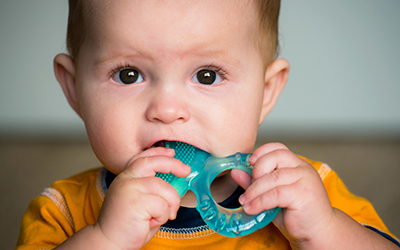
Teething is a normal developmental milestone, but that doesn’t make it easy for infants or parents. The eruption of new teeth can cause irritability, drooling, swollen gums, and changes in sleep or appetite. Families who seek support from experts in pediatric dentistry in Parker, pediatric dentistry near Windy Hills, or pediatric dentistry near The Pinery often learn that proactive strategies can greatly reduce discomfort while protecting long-term children’s dental health. Because every child’s timeline is different, recognizing early symptoms helps ensure timely and effective home care.
One of the simplest ways to relieve teething pain is through gentle pressure. Parents can massage the gums using a clean finger or a soft silicone brush designed for infants. This technique stimulates circulation and temporarily eases soreness. Many professionals in pediatric dentistry in Parker and surrounding regions recommend pairing gentle massage with safe teething toys that allow babies to explore textures while reducing inflammation. Look for BPA-free, medical-grade silicone options shaped for easy grip and cleaning.
Cold therapy is another trusted method. A chilled (not frozen) washcloth or teething ring can help numb sensitive gums. Families receiving guidance from experts in pediatric dentistry near Windy Hills or similar practices often hear that refrigeration offers just enough cooling to reduce swelling without the risks associated with excessive hardness. Avoid frozen items, which may bruise the gums.
Parents frequently ask which over-the-counter remedies are safe. While topical numbing gels may seem appealing, many are not recommended for infants. Instead, dentists focused on pediatric dentistry near The Pinery and comparable clinical settings emphasize evidence-based approaches such as:
If discomfort disrupts sleep or feeding, a pediatrician may approve pain relievers like acetaminophen. It is essential to follow precise dosing guidelines; never administer medication without professional advice.
Early oral care provides comfort during teething and helps establish healthy habits. Even before teeth erupt, wiping the gums with a soft cloth removes bacteria and reduces irritation caused by constant drooling. Once teeth appear, a rice-sized amount of fluoride toothpaste supports enamel development. Many practices offering pediatric dentistry in Parker or pediatric dentistry near Windy Hills services also recommend incorporating infant oral care routines into bedtime rituals to reinforce consistency.
Parents should schedule a first dental visit by age one or within six months of the first tooth. This early evaluation allows clinicians skilled in pediatric dentistry near The Pinery and similar specialties to assess growth patterns, address teething concerns, and guide families on safe home practices. These visits also help detect early-stage issues through preventive dental care, reducing the likelihood of problems as more teeth erupt.
While most teething discomfort is normal, certain symptoms warrant professional attention. Contact a pediatric dentist if a child shows persistent fever, rash, or inconsolable crying unrelated to typical teething. Children may also need evaluation if teeth erupt significantly out of sequence or spacing appears unusual. A specialist in pediatric dentistry in Parker, pediatric dentistry near Windy Hills, or pediatric dentistry near The Pinery can assess whether the discomfort stems from teething or another oral health concern.
Parents can create a soothing environment by maintaining structured routines, offering plenty of cuddling, and providing safe teething options. To summarize, the most effective strategies include:
Combining these approaches with guidance from trusted professionals and integrating targeted practices such as infant oral care, preventive dental care, and children’s dental health safeguards your child’s comfort and sets the foundation for a lifetime of healthy smiles.
Blog Articles
We care about creating great smiles for kids, and teens. Follow us on our blog to review trending topic and resources in the dental industry and related healthcare.
Hours:
Monday & Friday: 8:00 AM - 2:00 PM | Tues, Wed, Thurs: 9:00 AM - 5:00PM | Closed: Select Mondays and Fridays


Nothing contained on or offered by or through this website should be construed as medical advice and should not be relied upon for medical diagnosis or treatment. By accessing this website you understand and agree to communication by phone, voicemail, email or text.
Cookie Preferences | Cookie Consent | Privacy Policy