

Oct 26, 2026
Consistent family routines help children develop healthy oral care habits that last. Daily brushing, flossing, balanced…
(720) 638-6114
Mon & Fri: 8-2; Tue-Thurs: 9-5


Healthy Smiles
from First Tooth to Braces.
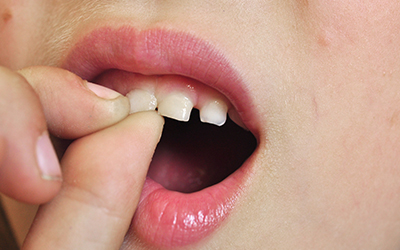
Mouth breathing is a common habit in children, often caused by allergies, congestion, or anatomical factors. While it may seem harmless, chronic mouth breathing can have a significant impact on a child’s oral and facial development. For dental patients, understanding these effects is important for early intervention and long-term health. Regular visits to a kid’s dentist near me in Parker can help identify concerns before they progress.
Mouth breathing occurs when a child primarily breathes through the mouth instead of the nose. While occasional mouth breathing is normal during illness, persistent habits can influence how the teeth and jaw develop.
Healthy nasal breathing supports proper tongue posture, with the tongue resting against the roof of the mouth. This position helps guide normal dental development and jaw growth. When mouth breathing becomes habitual, this natural balance can be disrupted.
One of the most significant effects of mouth breathing is its influence on jaw development. When the mouth remains open, the tongue often sits lower in the mouth rather than supporting the upper jaw.
Over time, this can lead to:
An orthodontist in Parker can evaluate these changes and determine whether early intervention is needed to guide proper growth.
Mouth breathing can also contribute to crooked or misaligned teeth. Without proper tongue support, the upper arch may not develop fully, leading to limited space for permanent teeth.
This can result in:
In such cases, early orthodontic treatment may be recommended. Options such as Parker clear braces can help correct alignment issues while supporting a child’s confidence during treatment.
Breathing through the mouth can reduce saliva flow, which plays a key role in protecting teeth. Saliva helps neutralize acids and wash away bacteria, so reduced levels can increase the risk of dental problems.
Children who habitually mouth breathe may experience:
Routine visits to a kid’s dentist near me in Parker are essential for monitoring these risks and maintaining strong pediatric dentistry care.
Parents may not always recognize mouth breathing right away, but certain signs can indicate a potential issue. Early detection allows for timely evaluation and treatment.
Common signs include:
If these symptoms are present, consulting both a dental provider and possibly a medical professional can help determine the underlying cause.
Addressing mouth breathing often involves a combination of approaches. Identifying and treating the root cause, such as allergies or airway obstruction, is an important first step.
From a dental perspective, treatment may include:
These strategies help restore proper function and support healthy development.
Encouraging nasal breathing and maintaining good oral health habits can make a significant difference in a child’s development. Parents can take proactive steps to support their child’s well-being.
Helpful practices include:
Mouth breathing is more than a simple habit—it can influence how a child’s teeth, jaw, and facial structure develop over time. By recognizing the signs and seeking early care, parents can help prevent long-term complications.
With guidance from a trusted kids’ dentist near me in Parker and expert evaluation by an orthodontist in Parker, children can receive the support they need for healthy growth. When necessary, treatments such as Parker clear braces can help correct alignment and promote a balanced, confident smile.
Blog Articles
We care about creating great smiles for kids, and teens. Follow us on our blog to review trending topic and resources in the dental industry and related healthcare.
Hours:
Monday & Friday: 8:00 AM - 2:00 PM | Tues, Wed, Thurs: 9:00 AM - 5:00PM | Closed: Select Mondays and Fridays


Nothing contained on or offered by or through this website should be construed as medical advice and should not be relied upon for medical diagnosis or treatment. By accessing this website you understand and agree to communication by phone, voicemail, email or text.
Cookie Preferences | Cookie Consent | Privacy Policy