



Nov 9, 2026
Understanding children's dental development milestones helps parents recognize normal changes, identify potential concerns,…
(720) 638-6114
Mon & Fri: 8-2; Tue-Thurs: 9-5

Healthy Smiles
from First Tooth to Braces.

Children's smiles undergo significant changes from infancy through adolescence. As baby teeth emerge, fall out, and make room for permanent teeth, each developmental stage provides important information about oral health. Understanding these milestones helps parents recognize normal changes and identify concerns that may require professional attention.
Regular pediatric dental care allows dental professionals to monitor tooth eruption, jaw growth, and bite alignment throughout childhood. Parents researching an orthodontist in Parker or exploring ortho Parker options can benefit from understanding how early dental development influences future orthodontic needs.
Most babies develop their first teeth around six months of age, although eruption timing varies. The lower front teeth often appear first, followed by additional teeth as the child grows. Most children have their full set of 20 primary teeth by approximately age three.
Although temporary, baby teeth play essential roles in chewing, speech development, and maintaining space for permanent teeth. Untreated cavities or premature tooth loss can sometimes interfere with these functions.
Parents should schedule their child's first dental visit when the first tooth appears or by their first birthday. Early appointments help establish preventive habits and provide opportunities to discuss teething, nutrition, and brushing techniques.
Around age six, children typically begin losing baby teeth as permanent teeth start emerging. The first permanent molars often appear behind the baby molars without replacing existing teeth, making them easy to overlook.
During this transition, children may experience temporary spacing, crowding, or changes in their bite. Some differences are normal, while others deserve closer evaluation.
Regular dental examinations help monitor eruption patterns and determine whether teeth are developing appropriately. Parents considering braces Parker services should understand that early crowding does not automatically mean orthodontic treatment is necessary.
Dental development involves more than individual teeth. The upper and lower jaws also grow and change throughout childhood, influencing how teeth fit together.
Differences in jaw growth may contribute to crowding, overbites, underbites, or crossbites. These conditions can affect chewing efficiency and sometimes require orthodontic attention.
An early orthodontic evaluation helps identify developing alignment concerns while the jaws are still growing. Parents researching an orthodontist in Parker can discuss whether their child's bite requires monitoring or intervention.
Early identification does not always mean immediate treatment. In many cases, continued observation is the most appropriate recommendation.
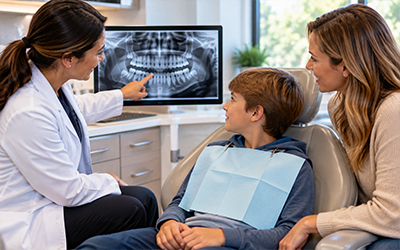
The American Association of Orthodontists recommends that children receive an initial orthodontic evaluation by age seven. At this stage, many children have a combination of primary and permanent teeth, allowing orthodontists to evaluate developing bite relationships.
During an assessment, an orthodontist may examine:
Families exploring ortho Parker services can use these evaluations to better understand whether future treatment may be beneficial.
Although some children benefit from early intervention, many simply require periodic monitoring until additional permanent teeth emerge.
Certain childhood behaviors can influence how teeth and jaws develop. Prolonged thumb sucking, pacifier use, and persistent mouth breathing may be associated with changes in dental alignment or oral development.
Not every habit causes lasting problems, but monitoring these behaviors helps parents recognize when professional guidance may be appropriate.
Consistent preventive dental care also supports healthy development by reducing the risk of cavities and premature tooth loss.
Parents can encourage healthy habits through regular brushing, flossing, balanced nutrition, and routine dental visits.
By early adolescence, most permanent teeth have erupted, excluding wisdom teeth. This stage often provides an opportunity to address alignment concerns that became more noticeable during childhood.
Teenagers may benefit from orthodontic treatment when crowding, spacing, or bite irregularities affect oral function or dental health.
Families researching braces Parker options can discuss traditional braces, clear aligners, and other appropriate treatments with an orthodontic professional.
Treatment timing depends on individual dental development rather than age alone. A personalized evaluation helps determine the most suitable approach.
Every child develops at a different pace, making consistent dental monitoring especially valuable. Routine examinations allow professionals to track eruption patterns, evaluate gum health, and identify concerns before they become more complicated.
Parents should contact a dental professional if they notice significant eruption delays, persistent discomfort, unusual tooth positioning, or changes in their child's bite.
Maintaining good children's oral health requires cooperation between families and dental providers. Regular appointments and effective home care help protect developing teeth throughout childhood.
Understanding developmental dental milestones helps parents make informed decisions about their children's oral healthcare. From the first baby tooth to the arrival of permanent teeth, each stage presents opportunities to encourage healthy habits and monitor dental growth.
At Little Rockies Kids Dental, preventive education and developmental monitoring help families understand the importance of caring for growing smiles.
Whether parents are researching an orthodontist in Parker, exploring ortho Parker, or considering braces Parker options, early professional guidance can help determine when orthodontic evaluation or treatment may be appropriate.
By staying informed and maintaining regular dental visits, parents can support healthy tooth development and help their children build a strong foundation for lifelong oral wellness.
Blog Articles
We care about creating great smiles for kids, and teens. Follow us on our blog to review trending topic and resources in the dental industry and related healthcare.
Hours:
Monday & Friday: 8:00 AM - 2:00 PM | Tues, Wed, Thurs: 9:00 AM - 5:00PM | Closed: Select Mondays and Fridays


Nothing contained on or offered by or through this website should be construed as medical advice and should not be relied upon for medical diagnosis or treatment. By accessing this website you understand and agree to communication by phone, voicemail, email or text.
Cookie Preferences | Cookie Consent | Privacy Policy