



Nov 23, 2026
Positive dental experiences during childhood can help build trust in healthcare professionals, reduce dental anxiety, and…
(720) 638-6114
Mon & Fri: 8-2; Tue-Thurs: 9-5


Healthy Smiles
from First Tooth to Braces.
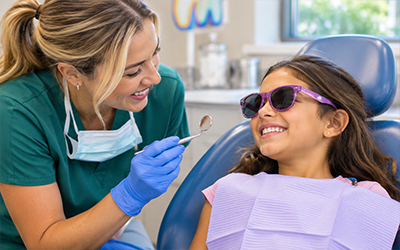
A child's earliest experiences with healthcare can influence how they approach medical and dental appointments as they grow. When children feel comfortable, respected, and supported during dental visits, they may develop greater confidence in healthcare professionals and become more willing to participate in preventive care.
Positive experiences with pediatric dentistry help children understand that dental appointments are an important part of staying healthy rather than something to fear. For families researching an orthodontist in Parker or exploring ortho Parker options, establishing trust early can also make future orthodontic evaluations and treatments feel less intimidating.
Children often feel uncertain when encountering unfamiliar environments, equipment, and healthcare professionals. A welcoming dental experience can help reduce these concerns by introducing children to dental care in an age-appropriate manner.
Dental professionals who explain procedures using simple language and allow children to ask questions can help them feel more involved in their appointments. Gentle communication and positive encouragement also reinforce the idea that healthcare providers are there to help.
When children consistently experience supportive children's dental care, they may become more comfortable discussing symptoms, expressing concerns, and participating in future healthcare decisions.
Dental anxiety can develop when children associate appointments with discomfort, uncertainty, or frightening experiences. These feelings may make future visits more challenging and discourage consistent preventive care.
A positive dental environment helps children develop familiarity with examinations, cleanings, and common dental procedures. Allowing children to understand what will happen before treatment can reduce uncertainty and encourage cooperation.
Parents can also support comfortable experiences by using reassuring language and avoiding negative descriptions of dental appointments.
Although positive visits cannot eliminate every child's anxiety, they can help establish healthier expectations about professional care. Addressing dental anxiety early may also make future medical appointments feel more manageable.
Regular dental visits teach children that healthcare is not limited to treating problems after symptoms appear. Instead, preventive appointments demonstrate the importance of maintaining health through consistent routines.
During examinations and cleanings, dental professionals can explain how brushing, flossing, and balanced nutrition protect teeth and gums. These conversations help children connect everyday choices with their overall well-being.
Consistent preventive dental care also provides opportunities to recognize developing concerns before they become more complicated.
Children who understand the purpose of routine appointments may be more likely to participate actively in their oral hygiene routines as they mature.
Parents and caregivers strongly influence how children perceive dental appointments. When adults demonstrate confidence and maintain consistent schedules, children receive positive messages about the importance of healthcare.
Families can encourage healthier attitudes through several simple strategies:
These habits help reinforce the importance of children's oral health while encouraging children to become comfortable with professional healthcare.
As children grow, some may require orthodontic evaluations to monitor tooth alignment and jaw development. These appointments introduce new equipment, procedures, and treatment discussions that can feel unfamiliar.
Children who already trust dental professionals may feel more comfortable participating in orthodontic consultations.
Families researching an orthodontist in Parker can help prepare their children by explaining that orthodontic evaluations are designed to assess how teeth and jaws develop.
Parents exploring ortho Parker services should also understand that an initial evaluation does not necessarily mean immediate treatment is required. In many cases, monitoring development is the most appropriate recommendation.
Orthodontic treatment often requires consistent cooperation, particularly when children or teenagers need to maintain oral hygiene, follow dietary recommendations, or wear removable appliances.
Patients who feel comfortable communicating with their orthodontic team may be more willing to ask questions and discuss concerns throughout treatment.
Families considering braces Parker options can encourage children to view orthodontic care as a positive step toward improving dental alignment and maintaining healthy teeth.
A supportive approach helps children understand their responsibilities without making treatment feel overwhelming.
Positive dental experiences may influence how children approach other healthcare situations. Learning to communicate with professionals, ask questions, and understand preventive recommendations can help children develop useful skills for future appointments.
These experiences encourage patient confidence and reinforce the importance of taking an active role in personal health.
However, every child responds differently, and some may continue experiencing anxiety despite supportive care. Patience, individualized communication, and gradual exposure can help address these concerns.
A positive dental experience offers benefits beyond a comfortable appointment. Early trust, preventive education, and supportive communication can help children develop healthier attitudes toward professional healthcare.
At Little Rockies Kids Dental, emphasizing comfortable experiences and age-appropriate education reflects the importance of helping children feel confident about their dental care.
Whether families are researching an orthodontist in Parker, exploring ortho in Parker, or considering braces Parker services, building positive relationships with dental professionals can support future treatment experiences.
By prioritizing regular appointments, encouraging open communication, and reinforcing healthy routines, parents can help children develop confidence in caring for their smiles and overall well-being.
Blog Articles
We care about creating great smiles for kids, and teens. Follow us on our blog to review trending topic and resources in the dental industry and related healthcare.
Hours:
Monday & Friday: 8:00 AM - 2:00 PM | Tues, Wed, Thurs: 9:00 AM - 5:00PM | Closed: Select Mondays and Fridays


Nothing contained on or offered by or through this website should be construed as medical advice and should not be relied upon for medical diagnosis or treatment. By accessing this website you understand and agree to communication by phone, voicemail, email or text.
Cookie Preferences | Cookie Consent | Privacy Policy